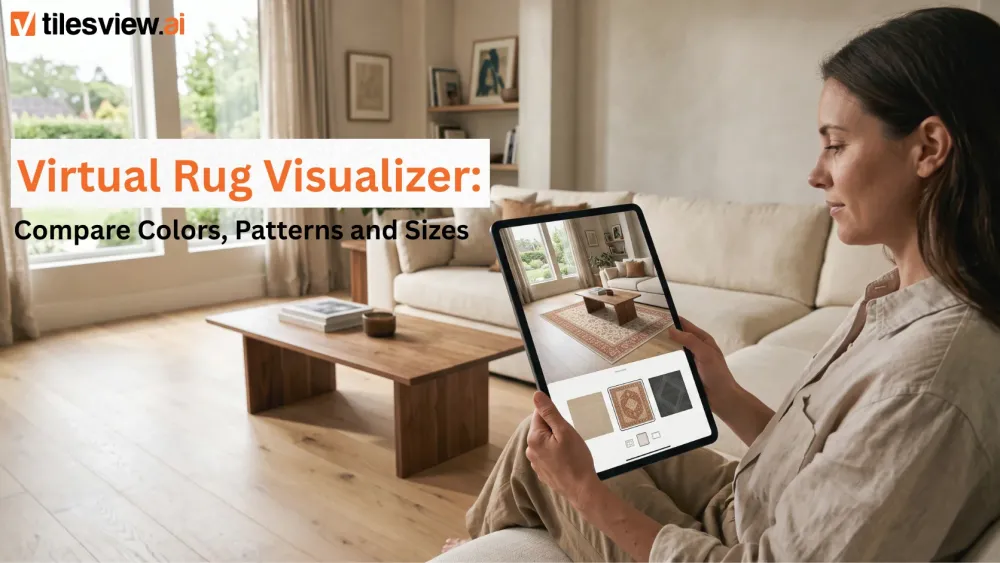
Oct 10, 2026
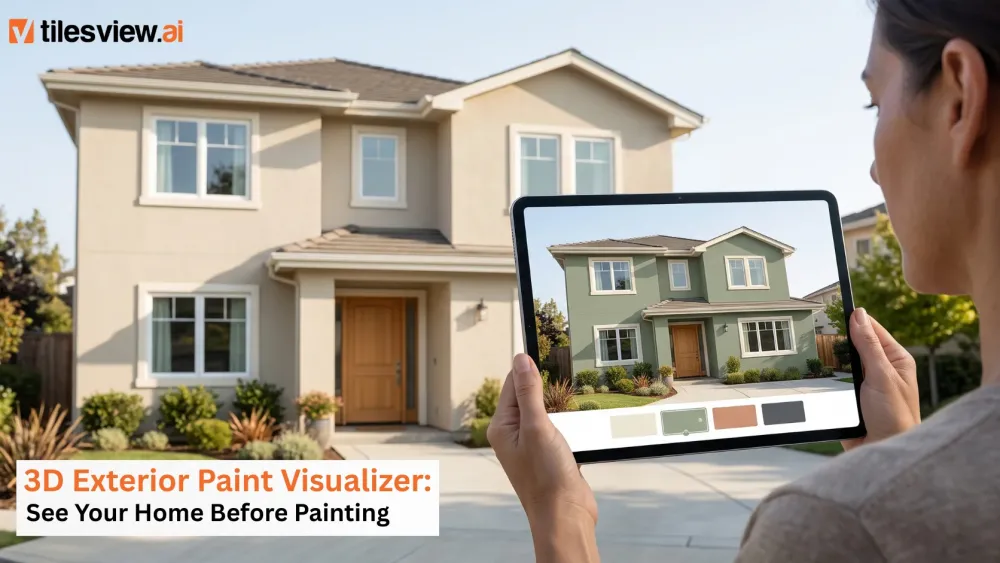
Oct 10, 2026
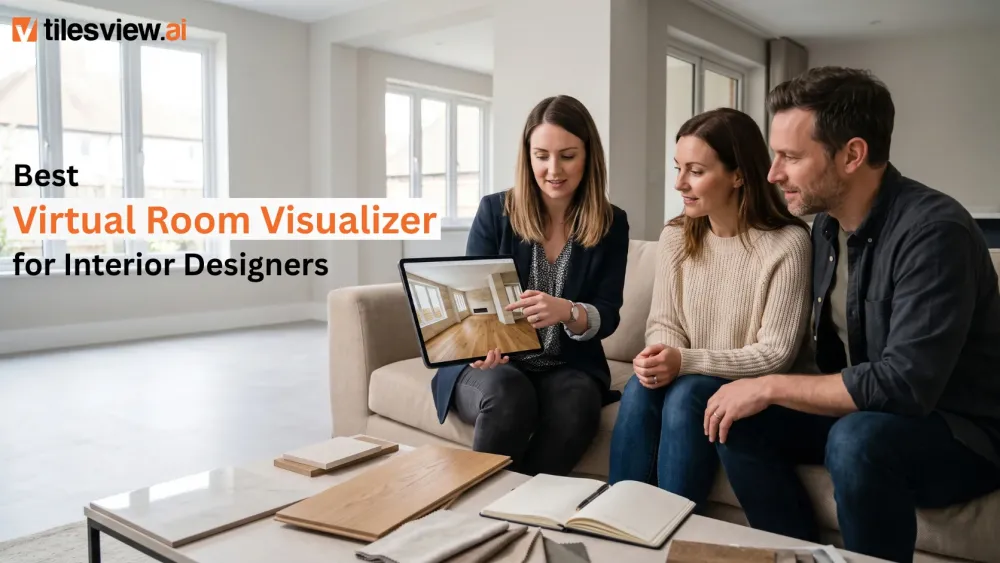
Oct 09, 2026
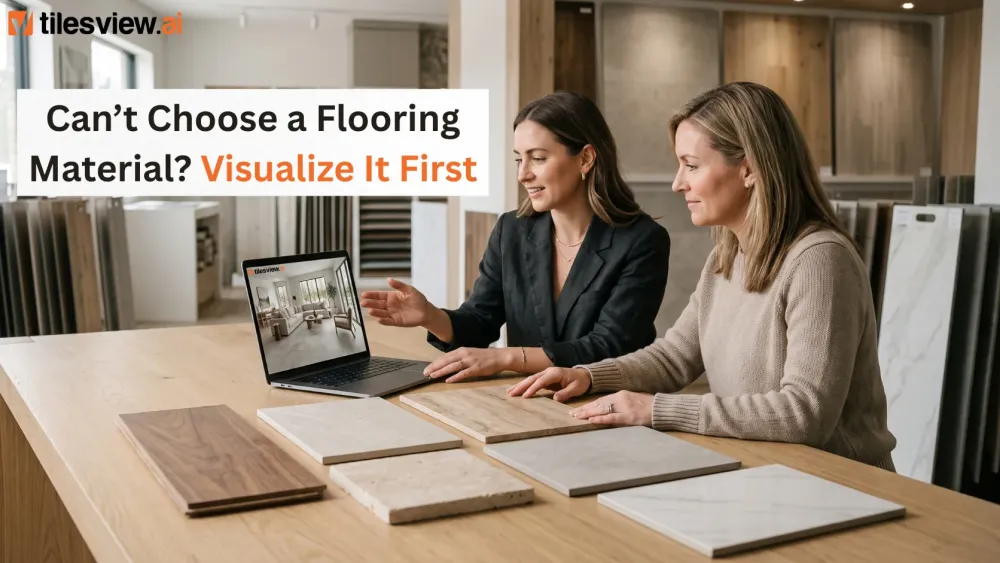
Oct 09, 2026
Sep 16, 2026
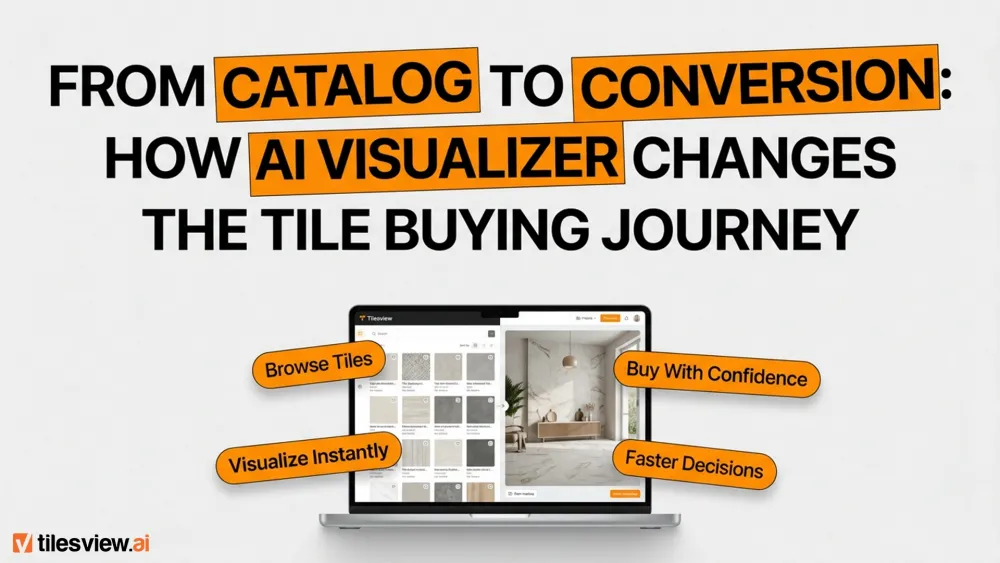
The ceramic tile industry is evolving faster than ever. Buyers no longer rely only on physical catalogs, showroom visits, or sample requests to make purchasing decisions. Today’s customers, whether homeowners, architects, interior designers, distributors, or importers, expect a faster, smarter, and more visual buying experience.
This shift is transforming how tile brands market and sell their products.
Artificial Intelligence (AI) is now redefining the tile buying journey, helping customers move from inspiration to purchase with greater confidence. Instead of imagining how a tile might look in a space, buyers can now instantly visualize products in real rooms using AI-powered tile visualization technology.
For ceramic brands, this is more than a technology upgrade. It’s a conversion strategy.
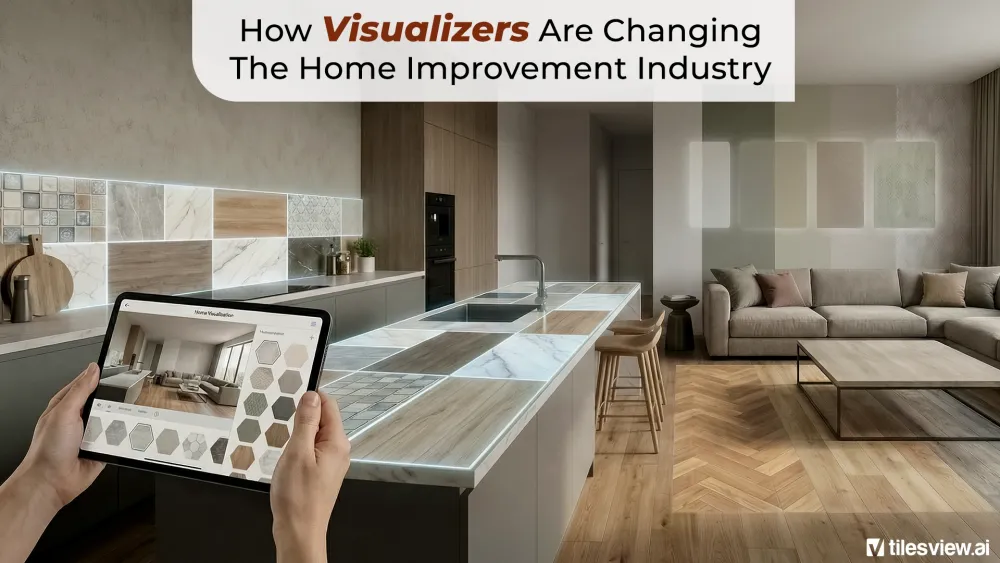
For years, tile purchasing depended heavily on physical processes:
Browsing printed catalogs
Visiting multiple showrooms
Requesting product samples
Comparing textures and finishes manually
Trying to imagine the final result
Buyers struggled with questions like:
Will this tile look good in my living room?
Does this finish match my wall color?
Will large-format tiles make the space feel bigger?
How will this design look under natural light?
Because tiles are highly visual products, uncertainty often delays purchase decisions.
For tile manufacturers and retailers, this leads to:
Longer sales cycles
Higher sample costs
Lower online conversion rates
Increased buyer hesitation
Lost opportunities to competitors
Modern buyers expect digital convenience. They want to explore products online, compare designs instantly, and visualize outcomes before committing to a purchase. AI-powered visualization tool make this possible.
Instead of static product catalogs, buyers can now interact with tiles in realistic room environments. This changes the buying experience completely.
With AI tile visualization, customers can:
Upload their own room photos
Instantly apply different tile designs
Compare layouts and finishes in real time
Experiment with colors, patterns, and sizes
Make faster and more confident decisions
The buying journey becomes immersive instead of uncertain.
One of the biggest changes AI brings is speed. A buyer who once needed days to shortlist tiles can now visualize multiple options within minutes.
For example:
A homeowner searching for modern bathroom tiles can instantly preview marble, vinyl, SPC floors, stone, matte, or textured surfaces directly inside their bathroom image.
An architect designing a commercial lobby can compare multiple flooring options without waiting for physical mockups.
A distributor can present product combinations to clients remotely using virtual room previews.
This instant visualization reduces decision fatigue and accelerates conversions.
Traditional catalogs display tiles. AI visualization displays outcomes.
Customers rarely buy tiles because of technical specifications alone. They buy because they can imagine the finished space.
AI-powered room visualization creates emotional engagement by helping buyers see:
The atmosphere of a room
The luxury feel of materials
The harmony between surfaces and interiors
The final design experience
This emotional connection significantly increases purchase intent.
AI visualization platforms help bridge the gap between browsing and buying. When buyers can see products in realistic environments, they gain confidence in their choices.
Faster Decision-Making: Buyers spend less time debating options because they can instantly compare visuals.
Reduced Product Returns: Visualization minimizes mismatched expectations
Higher Engagement: Interactive experiences keep users on websites longer. More Qualified Leads Interested buyers are more likely to request quotes or demos after visualizing products
Better Online Sales Performance: Visualization tools improve eCommerce conversion rates for tile retailers and brands.
Example:
“Studies show interactive product visualization can increase conversion rates by up to 40% in home improvement eCommerce.”
The ceramic industry is increasingly competitive, especially in international markets. Importers and distributors now evaluate suppliers not only by product quality but also by digital experience.
Brands that offer AI-powered visualization tools stand out because they provide:
confidence-driven buying experiencestreamline product selection
dynamic and immersive decision-making journey
Stronger online engagement
Enhanced distributor support
shop with confidence
reduce purchase hesitation
improve online buying confidence
For export-oriented tile companies, visualization technology becomes a powerful differentiator.
Physical showrooms remain important, but digital experiences are becoming equally valuable.
Virtual tile visualizer allow buyers to explore collections from anywhere in the world.
This is especially useful for:
International distributors
Architects working remotely
Online tile retailers
Interior designers collaborating digitally
Homeowners researching products online
AI visualization helps brands scale customer experiences beyond physical locations.
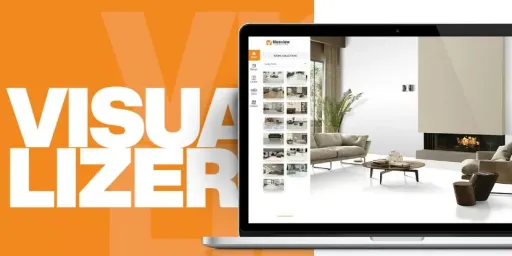
Platforms like Tilesview are helping ceramic brands modernize the customer experience through AI-powered visualization technology.
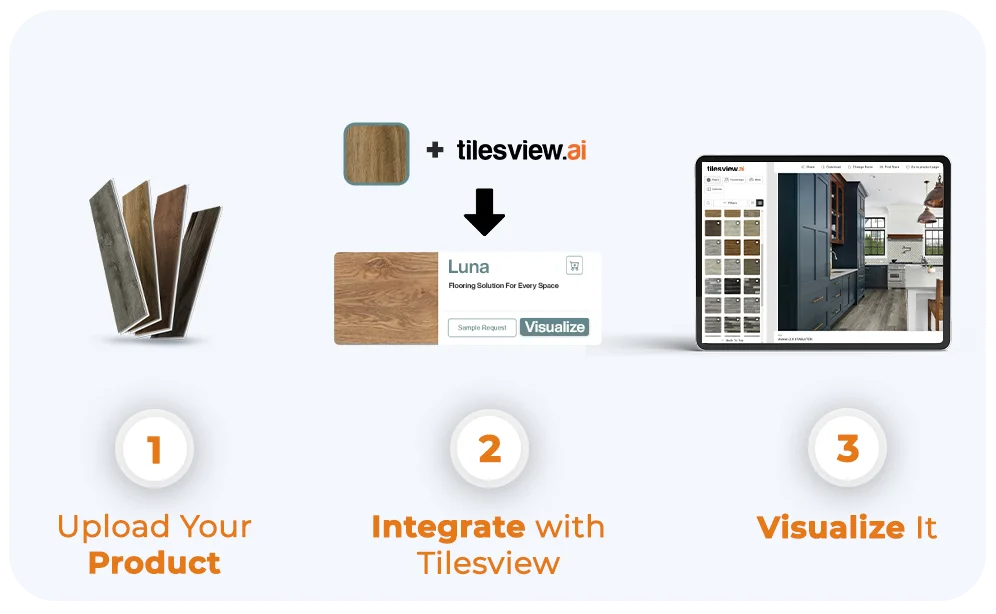
With Tilesview, users can:
Visualize tiles in real rooms
Upload their own space photos
Explore multiple layouts instantly
Improve product discovery
Create interactive buying experiences
Instead of relying only on catalogs, brands can offer customers a dynamic and immersive decision-making journey. This creates a stronger connection between inspiration and purchase.
The future of tile marketing is no longer static. AI is transforming how buyers discover, evaluate, and purchase ceramic products.
The brands that adapt early will gain a significant competitive advantage by delivering:
Faster buying experiences
More engaging product discovery
Higher customer confidence
Better conversion performance
Stronger global positioning
The shift from catalog-based selling to AI-powered visualization is already happening. The question is no longer whether AI will change the tile buying journey.
Tilesview helps ceramic brands, retailers and distributors create immersive AI-powered visualization experiences that drive engagement and conversions.
Explore how AI room visualization can help your customers move from inspiration to purchase faster, and with more confidence.
Book a demo with Tilesview today and redefine the future of tile selling

Anand Bhoraniya is a technology entrepreneur and visualization innovator at Tilesview, specializing in AI-powered room visualization software for tile, flooring, paint, and wall covering brands. He regularly shares insights on AI visualization trends, virtual showroom experiences, personalized design technology, warm minimalist interiors, and photorealistic room design solutions.
Get the latest insights on room visualizer, interior design trends, and product updates delivered to your inbox.
No spam. Unsubscribe anytime.